



Air freight is a vital logistics solution that ensures the rapid, secure, and efficient transportation of goods across global markets, meeting the demands of fast-paced industries and time-sensitive deliveries.
Definition of air freight
Air freight refers to the transportation of goods by aircraft, typically used for fast, long-distance deliveries. It is the quickest mode of transport, ideal for time-sensitive, high-value, or perishable goods. Air freight enables businesses to move products across countries and continents with high speed and reliability, making it an essential component of global trade and logistics.
The Importance of Air Freight in Global Trade
Air freight is crucial in today’s global supply chain, offering unmatched speed and reliability for time-sensitive shipments. It enables businesses to quickly move goods across vast distances, ensuring timely deliveries and reducing transit times. Huazong Logistics leverages its strong partnerships with leading airlines and a global network to provide fast, secure, and cost-effective air freight services. Our 98-hour U.S. air freight express service guarantees on-time delivery, with compensation for any delays, making air freight an essential solution for businesses needing quick, reliable, and secure transportation.
Why choose to ship by air from China?
Advantages of air Freight from China
Cost-effectiveness
Air freight from China is increasingly cost-effective for businesses seeking fast delivery at competitive rates. While typically more expensive than sea freight, air freight offers faster transit times, which can be ideal for time-sensitive goods. For example, shipping smaller quantities or high-value items by air can often provide a better value compared to slower, more traditional methods.
Capacity for Large Shipments
Air freight can handle large shipments, though typically on a smaller scale compared to sea freight. With the use of large cargo aircraft, it is possible to transport bulk goods quickly, making it ideal for industries like electronics and pharmaceuticals, where product urgency is key. While air freight may not be as cost-effective for extremely large shipments, it offers significant advantages in speed.
Accessibility of Major Airports
China’s major airports, such as Shanghai Pudong, Beijing Capital, and Guangzhou Baiyun, are some of the most accessible in the world. These airports are equipped with state-of-the-art facilities and technology, ensuring efficient cargo handling and reducing delays. Strategically located, these airports are well connected to global air transport routes, making them key hubs for international trade and fast logistics.
China’s Role in Global Air Freight Trade
Major Export Items and Air Freight Demand
China plays a crucial role in global air freight, exporting a wide range of products, including electronics, machinery, textiles, and furniture. In 2022, China’s export volume exceeded $3 trillion, highlighting its significant presence in the global air cargo sector. As export volumes rise, the demand for efficient air transport services has grown, making China’s air freight industry a vital part of global logistics networks.
Major Airports and Their Strategic Importance in Air Freight
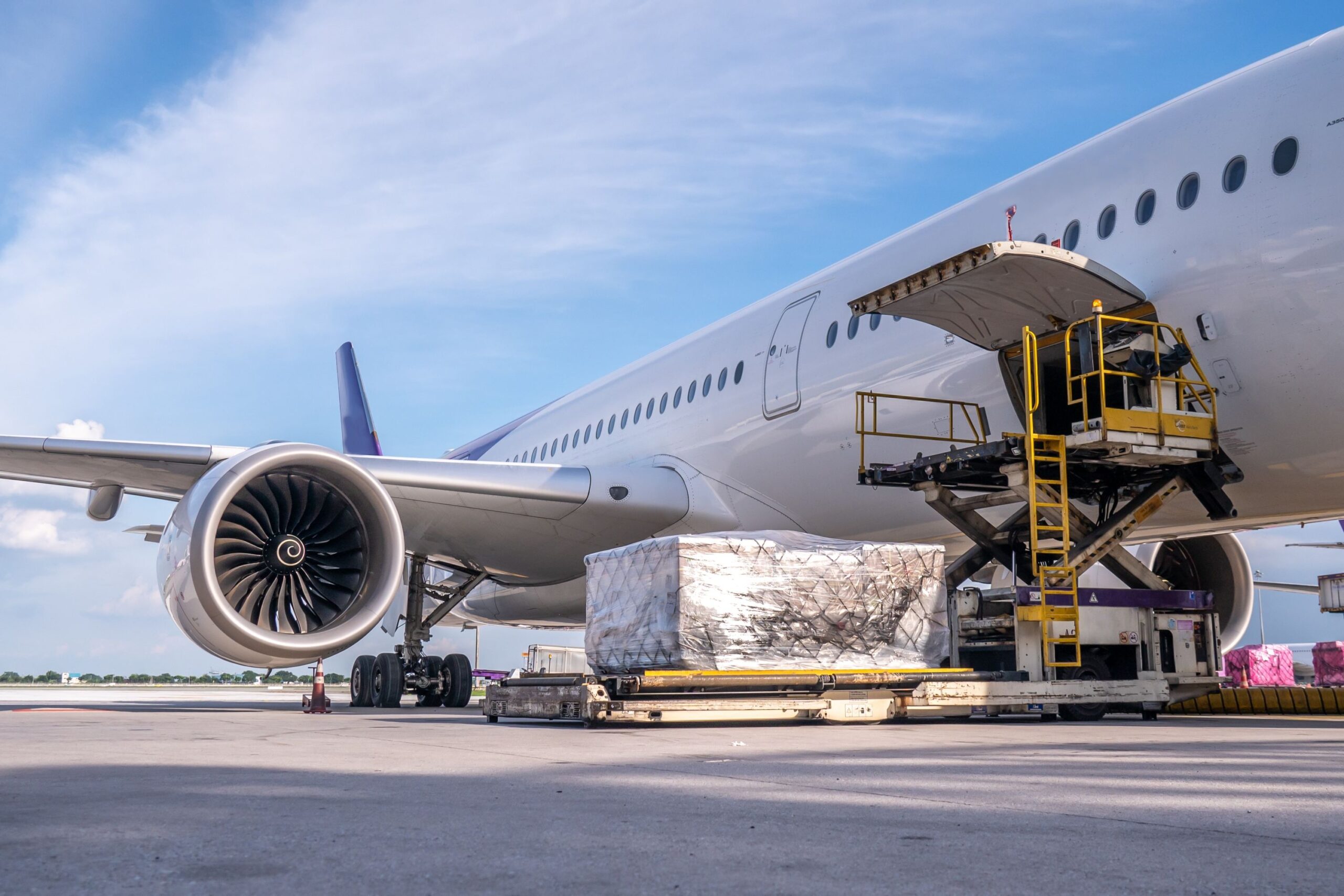
China’s major airports, such as Shanghai Pudong International Airport and Beijing Capital International Airport, are key hubs in global air freight. These airports handle millions of tons of cargo annually, ensuring the fast and efficient movement of goods worldwide. Their strategic locations and state-of-the-art facilities provide strong support for international trade, helping businesses achieve timely, reliable global deliveries. The efficiency of these airports is critical for ensuring goods reach their destinations on time within the global air freight network.
Major airports in China
Top Ports
Beijing Capital International Airport (PEK)
One of China’s busiest airports and also among the busiest airports in the world. Beijing Capital serves as a major hub for both passenger traffic and air freight, connecting China with key global destinations.
Shanghai Pudong International Airport (PVG)
Pudong Airport is one of China’s most important international airports and a major air freight hub. It handles a significant amount of global cargo and is crucial for international trade and logistics.
Guangzhou Baiyun International Airport (CAN)
A key airport in southern China, Guangzhou Baiyun handles a large volume of both passengers and cargo. It plays a central role in connecting China with Europe, Asia, and the Americas.
Shenzhen Bao’an International Airport (SZX)
Located in southern China, Shenzhen Bao’an is a major gateway for both international flights and cargo, especially in electronics and consumer goods, supporting global supply chains.
Hong Kong International Airport (HKG)
One of the world’s busiest and most important air cargo hubs. Hong Kong International Airport handles a large volume of freight and is strategically located as a global trade nexus.
Chengdu Shuangliu International Airport (CTU)
A rising star in southwestern China, Chengdu Shuangliu is an increasingly important hub for both passengers and cargo, linking the region to the global market.
Shanghai Hongqiao International Airport (SHA)
While primarily serving domestic flights, Hongqiao Airport also plays an important role in air freight, especially for the logistics and freight needs in the greater Shanghai area.
Chongqing Jiangbei International Airport (CKG)
As a major airport in southwestern China, Chongqing Jiangbei is an important hub for both domestic and international flights, with increasing capacity for air cargo.
Shanghai Hongqiao International Airport (SHA)
While primarily serving domestic flights, Hongqiao Airport also plays an important role in air freight, especially for the logistics and freight needs in the greater Shanghai area.
Chongqing Jiangbei International Airport (CKG)
As a major airport in southwestern China, Chongqing Jiangbei is an important hub for both domestic and international flights, with increasing capacity for air cargo.
Nanjing Lukou International Airport (NKG)
The main international airport in Jiangsu Province, Nanjing Lukou is becoming a key air freight hub in the Yangtze River Delta region.
Tianjin Binhai International Airport (TSN)
Located in northern China, Tianjin Binhai serves as an important gateway for both passenger flights and cargo, especially in industrial sectors.
Air Freight Facilities and Services
Cargo Handling Capacity
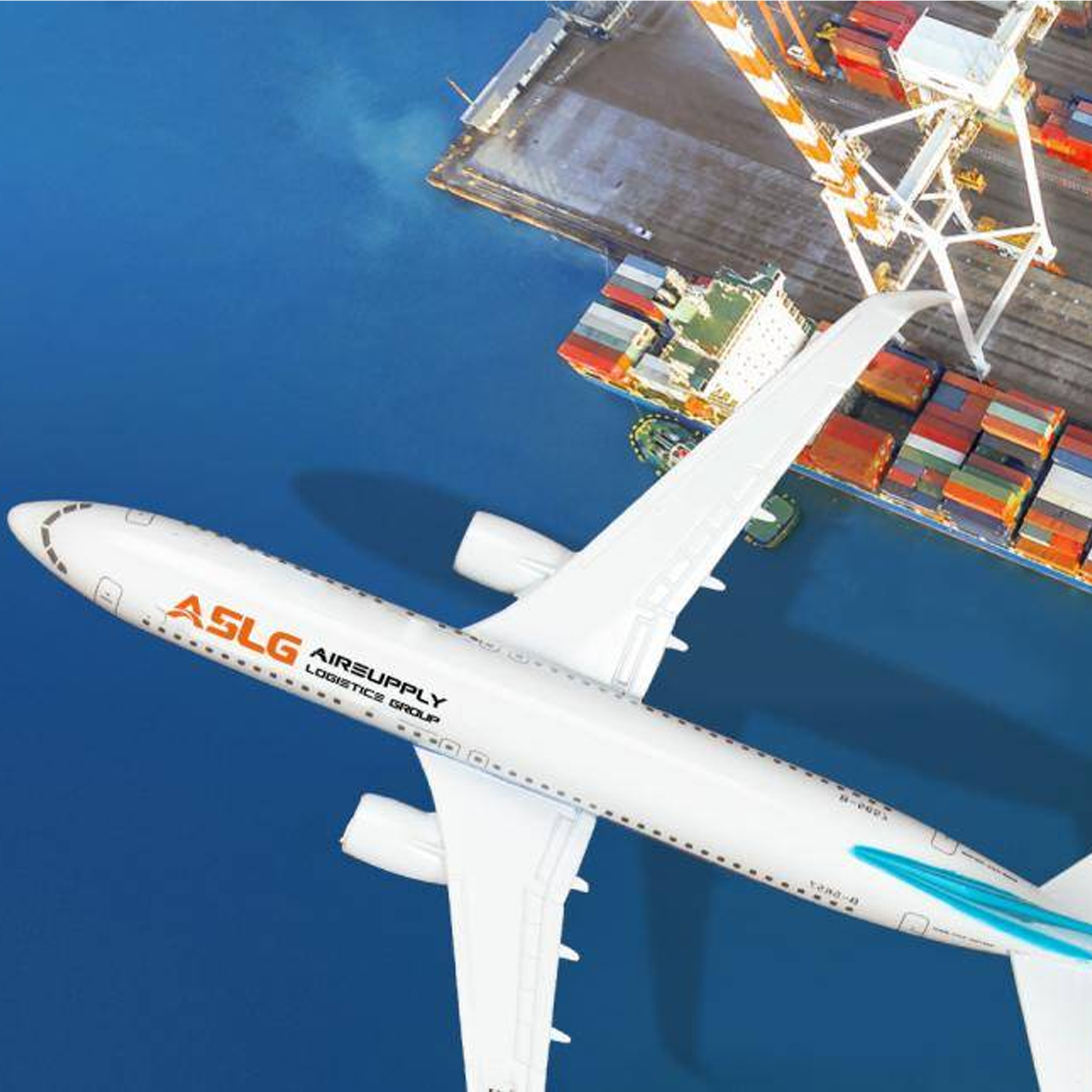
China’s major airports are equipped with state-of-the-art cargo handling systems, including high-capacity automated systems and advanced ground support equipment. These airports can efficiently handle millions of tons of air cargo annually. The high handling capacity ensures the smooth and rapid transfer of goods from aircraft to warehouses, minimizing turnaround time and improving overall efficiency in the air freight process.
Warehousing and Storage Solutions
Airports like Shanghai Pudong and Hong Kong International provide extensive warehousing and storage facilities designed for air freight. These include temperature-controlled warehouses for sensitive products such as pharmaceuticals and perishable goods, as well as bulk storage options for larger cargo. These facilities ensure that goods are safely stored until they are ready for onward distribution, offering a wide range of services to meet the diverse needs of global trade.
Connectivity to Inland Transportation
Major Chinese airports are seamlessly connected to inland transportation networks, including highways, railways, and road freight systems. This connectivity is vital for the swift movement of goods from the airport to their final destination across China and globally. For example, Shanghai Pudong International Airport is well-connected to the Yangtze River Delta’s rail and road networks, facilitating rapid distribution of goods. Similarly, Guangzhou Baiyun International Airport has strong logistics links to the rest of Southern China, ensuring quick and efficient inland transportation for air freight.
Major Ports in China – Overview
Ready to streamline your sea freight from China? Choose Huazong Logistics Shipping for reliable, efficient, and cost-effective logistics solutions. We have offices in all major ports, including Shanghai, Shenzhen, Ningbo-Zhoushan, Guangzhou, Qingdao, Tianjin, and Hong Kong. Contact Huazong Logistics Shipping now to start your seamless shipping experience!
Air Freight Process from China
Step-by-Step Guide
Booking a Shipment
Booking a shipment is the first step in the air freight process. Choose a reliable freight forwarder by comparing quotes and services. Provide detailed information about your shipment, such as the type of goods, volume, weight, and destination. Air freight requires accurate information because costs are often based on the chargeable weight, which is a combination of the actual weight and volume of the goods.
In 2022, air exports from China reached over 2 million tons of freight, emphasizing the need for efficient booking to meet global demand.
Packaging and Labeling Requirements
Proper packaging and labeling are crucial for safety and compliance, especially for air shipments. Goods must be packed in a way that ensures they are protected from damage during the quick and sometimes bumpy transit. Use durable materials and ensure that each package is clearly labeled with the destination address, handling instructions, and any hazardous material warnings.
Airlines and airports are strict about regulations, and incorrect labeling or poor packaging can cause delays or rejections at customs. Industry standards show that compliance with proper packaging and labeling can reduce delays by 15-20%.
Customs Clearance Procedures
Customs clearance is a vital part of the air freight process. This step involves preparing and submitting the essential documents like the commercial invoice, packing list, air waybill (AWB), and bill of lading.
Inaccurate or incomplete documentation can result in customs delays, leading to additional costs of up to $500 per day on average. Since air cargo typically moves faster, ensuring smooth customs clearance is even more crucial to prevent bottlenecks. Work closely with your freight forwarder to meet all import/export regulations and ensure smooth processing through customs.
Loading and Transportation
Once the goods clear customs, they are loaded onto aircraft, often through conveyor belts or forklifts depending on the airport’s equipment. Air freight loading requires careful handling to prevent damage and ensure proper weight distribution.
China’s major international airports, such as Beijing Capital Airport and Shanghai Pudong International, handle millions of tons of air freight annually, making efficient loading practices essential to avoid delays.
The aircraft then transports the goods to the destination airport, usually adhering to a tight schedule that ensures timely delivery. The speed of air freight is one of its key advantages, with transit times typically ranging from 1-7 days depending on the destination.
Delivery and Unloading at Destination
Upon arrival at the destination airport, goods are unloaded and undergo customs clearance. Similar to the departure process, customs clearance at the destination requires proper documentation and accurate declarations.
Once cleared, your freight forwarder will manage the logistics to move goods from the airport to the final delivery point, either by truck or rail transport. Ensure that all paperwork is in order to avoid delays. Efficient unloading and delivery are critical, as air freight typically involves time-sensitive shipments, and any delays can significantly impact supply chain operations.
Types of Air Freight Services
FCL (Full Cargo Load)
Benefits and Scenarios for Use
FCL in air freight, or Full Cargo Load, refers to a shipment where an entire aircraft is used to transport goods. This method is suitable for businesses with large quantities or high-value shipments. Benefits include lower cost per unit, dedicated cargo space, and faster handling as the shipment is not shared with others. For instance, a pharmaceutical company shipping a large batch of medical equipment may prefer FCL due to the urgency, safety, and high value of the cargo.
LCL (Less than Cargo Load)
Benefits and Scenarios for Use
LCL, or Less than Cargo Load, is ideal for smaller shipments that do not require a full aircraft. Multiple shippers share space on the same flight, which makes LCL more cost-effective for smaller businesses or occasional shipments. Benefits include lower upfront costs, flexibility, and the ability to ship smaller volumes efficiently. For example, a fashion retailer exporting 100 boxes of clothing to various destinations can benefit from LCL because it reduces the shipping cost compared to a full cargo load.
Charter Services
Benefits and Scenarios for Use
Charter services involve hiring an entire aircraft for a single shipment, typically used for urgent or specialized cargo that needs to be delivered quickly. This service is often chosen for high-priority deliveries, such as time-sensitive parts for the automotive industry or emergency medical supplies. Benefits include guaranteed capacity, direct routes, and flexibility to schedule flights according to the shipper’s needs. For instance, a medical device company needing to ship urgent medical equipment can use charter services for faster and more controlled delivery.
RORO (Roll-on/Roll-off) for Air Freight
Benefits and Scenarios for Use
While RORO is typically used for sea freight, air freight also offers specialized services for shipping vehicles and large machinery, albeit less common. Some air cargo carriers provide Roll-on/Roll-off services for specialized cargo, such as aircraft components, military vehicles, or luxury cars. The key benefit of RORO in air freight is the ease of loading/unloading and ability to move large items without additional packaging. For example, an aviation company transporting large aircraft parts could benefit from RORO services as it simplifies the loading process.
Specialized Freight (Temperature-Controlled, Hazardous, or Oversized Cargo)
Benefits and Scenarios for Use
Specialized air freight services cater to specific needs like temperature-sensitive goods, dangerous goods, or oversized cargo. These services are offered on dedicated flights or specially configured aircraft to accommodate the unique requirements of such shipments. For instance, food exporters shipping fresh produce or frozen items would use temperature-controlled air freight to ensure the goods arrive in perfect condition. Similarly, chemicals or pharmaceuticals may require specialized packaging and handling due to their hazardous nature.
Air Freight Service Overview
SERVICE TYPE BENEFITS SCENARIOS FOR USE FCL (Full Cargo Load) Lower cost per unit, dedicated space, faster handling Large volumes, e.g., high-value pharmaceutical shipments or electronics exports LCL (Less than Cargo Load) Lower upfront costs, flexibility Smaller shipments, e.g., 50 boxes of clothing by a small business Charter Services Guaranteed capacity, direct routes, flexibility Urgent or specialized cargo, e.g., time-sensitive medical equipment RORO (Roll-on/Roll-off) Ease of loading/unloading, cost efficiency Large machinery or vehicles, e.g., aircraft parts or luxury cars Specialized Freight (Temperature-Controlled, Hazardous, or Oversized Cargo) Temperature control, safety, handling precision Sensitive goods, e.g., fresh food exports, hazardous chemicals, or oversized machinery
Air Freight Shipping Costs from China
Breakdown of Costs
Shipping Rates
Shipping rates are a major component of air freight costs. These rates depend on the weight and volume of the cargo, as well as the distance between the origin and destination airports. For example, shipping a 100 kg shipment from Shanghai to Los Angeles can cost between $1,500 to $3,000, depending on the size and type of cargo, and market conditions.
Customs Duties and Taxes
Customs duties and taxes are levied by the destination country. These costs vary based on the type of goods and their declared value. For example, importing electronics into the US incurs a duty of around 5-10% of the shipment value. Additionally, air freight shipments may incur handling fees or fuel surcharges at destination airports.
Insurance
Insurance protects your goods against loss or damage during transit. The cost of insurance typically ranges from 0.3% to 0.5% of the cargo’s value. For high-value items, such as electronics, pharmaceuticals, or machinery, investing in insurance is crucial to mitigate risks and ensure financial protection during air transit.
Handling and Logistics Fees
Handling and logistics fees cover the costs of loading, unloading, and transporting goods within airports. These fees can range from $100 to $300 per shipment and include services like cargo handling fees, airline security charges, and documentation fees. Depending on the complexity of the cargo, these fees may be higher.
Factors Influencing Costs
Weight and Volume
The weight and volume of your shipment significantly impact air freight costs. Heavier and bulkier shipments tend to incur higher charges due to the space they occupy on the aircraft. For example, a shipment of machinery will cost more than a smaller, lighter shipment of clothing due to its size and weight. Charges are typically based on either the actual weight or volumetric weight, whichever is higher.
Destination Airport Fees
Different airports have varying fee structures, depending on the traffic and services provided. Destination airport fees can include customs clearance, handling charges, storage fees, and delivery to the final destination. High-traffic airports like Los Angeles International Airport (LAX) tend to have higher fees compared to smaller or regional airports.
Seasonal Variations
Air freight rates can fluctuate based on seasonal demand. During peak seasons, such as the holiday period or Chinese New Year, shipping rates can increase by 20-30% due to higher demand for air cargo capacity. This period sees an influx of shipments, particularly for industries like electronics and retail, which can drive up both air freight rates and handling charges.
Cost-Saving Tips for Air Freight
Consolidating Shipments
Consolidating smaller shipments into one larger shipment can save costs in air freight as well. By combining multiple shipments from different suppliers into one, you can benefit from reduced shipping rates and minimized handling fees. For example, rather than sending several small packages from multiple suppliers, consolidating them into one shipment can lower the overall shipping cost and reduce the per-unit cost of delivery.
Choosing the Right Incoterm
Selecting the appropriate Incoterm can greatly influence the total cost of air freight. Incoterms like FOB (Free on Board) or EXW (Ex Works) clearly define the cost responsibilities between the buyer and seller. These terms determine who is responsible for freight, insurance, customs duties, and other charges. By understanding these terms, you can avoid unexpected expenses and ensure you’re not overpaying for services that should be handled by your supplier.
Negotiating Rates with Freight Forwarders
Negotiating rates with multiple air freight forwarders can lead to better deals. As air freight costs are often influenced by factors like fuel surcharges and carrier space availability, working with different forwarders allows you to compare rates and choose the most cost-effective option. Establishing a long-term relationship with a trusted forwarder can also help secure discounts or preferential rates. For instance, signing a contract for regular shipments could reduce per-shipment costs by 10-20%, especially if you ship high volumes.
Overview of Sea Freight Costs
| COST COMPONENT | DETAILS |
|---|---|
| Shipping Rates | $1,500 – $3,000 for a 100kg shipment from China to the US |
| Customs Duties and Taxes | 5-10% of shipment value for electronics in the US |
| Insurance | 0.3% – 0.5% of cargo value |
| Handling and Logistics Fees | $100 – $300 per shipment (depending on weight and volume) |
| Factors Influencing Costs | Weight, volume, destination airport fees, seasonal variations |
| Cost-Saving Tips | Consolidating shipments, choosing the right Incoterm, negotiating rates |
Transit Times for Air Freight from China
Factors Affecting Transit Times
Distance to Destination
The distance between the origin and destination airports is a key factor in air freight transit times. Longer distances naturally result in longer flight times. For example, shipping from China to the US West Coast typically takes 1-3 days, while shipping to Europe generally takes 2-5 days depending on the exact route and flight frequency.
Flight Route
The flight route taken by the aircraft can also impact transit times. Direct flights are typically faster than those with layovers or multiple stops. For example, a direct flight from Shanghai to New York is quicker than one that includes a stopover in Hong Kong or another airport. Routes passing through busy airspaces or requiring multiple stops may also lead to longer transit times.
Airline and Aircraft Type
Different airlines and aircraft types may influence how long air shipments take. Larger cargo planes with more frequent flights can often offer faster and more reliable delivery. On the other hand, smaller cargo aircraft or flights with limited availability might take longer or face delays. The choice of airline can impact both cost and transit time, especially during peak shipping seasons.
Airport Congestion and Customs Clearance
Airport congestion, especially at major international hubs like Shanghai Pudong or Los Angeles International Airport (LAX), can cause delays in loading, unloading, and customs clearance. Furthermore, customs clearance at the destination airport is another critical factor—if documents are incomplete or if additional inspections are required, it could cause delays. Efficient customs procedures and streamlined operations can help save several hours or even days in transit time.
Average Transit Times for Air Freight from China
China to North America
The average transit time for air freight from China to North America typically ranges from 1 to 3 days for the West Coast (e.g., Los Angeles or San Francisco) due to the shorter distance. For the East Coast (e.g., New York or Chicago), it may take around 2 to 4 days, depending on the specific route, airline, and layovers.
China to Europe
Transit times from China to Europe generally range from 2 to 5 days, depending on the specific airports involved. Major European airports like Frankfurt, London Heathrow, and Paris Charles de Gaulle frequently receive air cargo from China. Direct flights are quicker, but connecting flights or layovers may add a day or two to the delivery time.
China to Africa and the Middle East
Air freight from China to Africa and the Middle East varies widely based on the destination. Shipping to major hubs in the Middle East, such as Dubai, generally takes 3 to 5 days. Shipments to West Africa (e.g., Lagos, Accra) typically take around 5 to 7 days depending on the specific airline and whether the flight is direct or has layovers.
Air Freight Transit Time Overview
| DESTINATION REGION | AVERAGE TRANSIT TIME | KEY FACTORS IMPACTING TIME |
|---|---|---|
| North America (West Coast) | 1 to 3 days | Distance, direct flights, airline efficiency |
| North America (East Coast) | 2 to 4 days | Longer distance, potential layovers, flight frequency |
| Europe | 2 to 5 days | Direct routes, airport efficiency, customs clearance |
| Middle East | 3 to 5 days | Direct routes, efficient airports |
| Africa | 5 to 7 days | Distance, layovers, airport congestion, available flights |
Container Types and Sizes for Air Freight
Standard Containers (ULD – Unit Load Device)
In air freight, standard containers are referred to as Unit Load Devices (ULD), which come in various sizes. The most common ULD types are the LD3 and LD9, with the LD3 container typically having a volume capacity of around 1.5 to 3 cubic meters and the LD9 container holding around 4 to 5 cubic meters. These containers are designed to fit into the cargo hold of aircraft. Some larger pallets or containers like the PMC (Palletized Master Carton) can accommodate up to 6 to 10 cubic meters of cargo, depending on the aircraft type.
Specialized Containers (Reefer, Bulk, Oversized Cargo)
Air freight also includes specialized containers for unique shipping requirements.
Reefer containers are temperature-controlled and ideal for shipping perishable goods, such as pharmaceuticals, fresh food, or vaccines.
Bulk containers are used to carry large quantities of bulk goods like chemicals or grains, but these are less common in air freight due to space constraints.
Oversized cargo is typically shipped on pallets or platforms that don’t fit into standard containers, and often requires special arrangements and charter services for transport.
Pallets and Cartons for Air Freight
Standard Pallet Sizes and Types
Pallets in air freight are used to consolidate smaller packages into a single, easy-to-handle unit. Common standard pallet sizes are:
48 x 40 inches (USA)
1200 x 1000 mm (Europe)
Air freight pallets are generally made of wood, plastic, or metal, with plastic pallets being preferred for hygiene-sensitive cargo such as medical supplies or food products.
Packaging Guidelines for Pallets and Cartons
Proper packaging is vital in air freight to ensure the safety and security of goods. Cartons should be sturdy enough to withstand handling and stacking, and should be sized to fit the pallet tightly to prevent shifting. Cushioning materials like foam, bubble wrap, or air pillows are used to protect the contents. For international shipping, it’s important to follow packaging guidelines for hazardous goods or perishable items to avoid customs delays.
Securing and Labeling Shipments
Air freight shipments should be properly secured using straps, shrink wrap, or corner protectors to stabilize the load and prevent damage during transit. Clear labeling is essential for the smooth flow of goods through customs. Each pallet or carton should be labeled with the destination address, handling instructions, and tracking barcodes for efficient monitoring. Correct labeling can reduce handling errors by up to 30%, ensuring that shipments arrive at the correct destination without issues.
Overview of Containers, Pallets, and Cartons
| Loading Unit Type | DESCRIPTION | USE CASE |
|---|---|---|
| Air Cargo ULD (Standard) | Standardized air container (e.g., LD3 ≈ 1.5 m³ capacity) | General cargo, baggage |
| Reefer Air Container | Temperature-controlled, air-cargo-sized design | Perishables (fresh goods), pharmaceuticals |
| Air Pallet | Lightweight pallet + netting, fits cargo hold space | Bulk cargo, irregularly packaged goods |
| Live Animal Air Crate | Ventilated, temperature-controlled, impact-resistant (meets air transport standards) | Pets, laboratory animals |
| Dangerous Goods Air Container | Explosion-proof, leak-proof, anti-static (complies with air 危险品 regulations) | Regulated dangerous goods (e.g., lithium batteries, chemicals) |
China Air Transport Incoterms
Overview of Incoterms
Definition and Importance
Common Incoterms in Air Freight
EXW (Ex Works)
FCA (Free Carrier)
CPT (Carriage Paid To)
CIP (Carriage and Insurance Paid To)
DAP (Delivered at Place)
Choosing the Right Incoterm
Risk and Cost Distribution
Responsibilities of Buyer and Seller
Overview of Common Incoterms
| Incoterm | Seller’s Key Responsibilities | Buyer’s Key Responsibilities | Risk Transfer Point | Ideal Air Freight Scenario |
|---|---|---|---|---|
| EXW | Make goods available at their premises | Handle all transport (from seller’s location to final destination), customs clearance, costs, and risks | When goods are made available to the buyer at the seller’s premises | Buyers with established air freight logistics capabilities |
| FCA | Deliver goods to the designated carrier (e.g., freight forwarder’s warehouse near departure airport) | Arrange air carriage (from carrier onward), customs clearance, last-mile transport, and associated costs | When goods are handed over to the designated carrier | Transactions needing flexible coordination of air cargo resources |
| CPT | Pay air freight to the destination airport; hand goods to the carrier | Arrange cargo insurance, transport (after destination airport), customs clearance, and associated costs | When goods are handed over to the carrier | Standard air shipments where the buyer prefers to arrange their own insurance |
| CIP | Pay air freight + arrange basic cargo insurance; hand goods to the carrier | Handle transport (after destination airport), customs clearance, and associated costs | When goods are handed over to the carrier | Air shipments of high-value or fragile goods (e.g., electronics, pharmaceuticals) |
| DAP | Arrange transport to the buyer’s named location; bear all transit risks (excluding import duties) | Handle import customs clearance and pay applicable duties | When goods are made available at the buyer’s named location | Transactions where the buyer wants a streamlined logistics process |
Choosing the right Incoterm ensures a smooth and efficient shipping process, tailored to your specific needs and capabilities.
Choosing a Reliable Air Freight Forwarder
Key Considerations
Experience and Reputation
Network and Partnerships
Customer Service and Support
Top Freight Forwarders in China
Documentation and Compliance
Essential Documents
Air Waybill (AWB)
Commercial Invoice
Packing List
Certificate of Origin
Compliance with International Trade Regulations
Import/Export Regulations
Sanctions and Trade Restrictions
Shipping Routes and Transit Times
Major Air Shipping Routes from China
Asia to North America
Asia to Europe
Asia to Africa and Middle East
Estimated Transit Times
Factors Affecting Transit Times
Average Times for Major Routes
| Route | Average Transit Time | Key Factors |
|---|---|---|
| Asia to North America | 2 to 5 days | Direct flight availability, airport customs efficiency |
| Asia to Europe | 1 to 3 days | Daily direct flights, hub airport operations |
| Asia to Africa and Middle East | 2 to 6 days | Connecting flight frequency, destination airport capacity |
- Asia to North America: Direct flights to the US West Coast typically take 2–3 days, while to the East Coast, it can take 3–5 days (including layover for connecting flights).
- Asia to Europe: Direct flights range from 1–3 days, with major hubs offering same-day or next-day delivery for urgent cargo.
- Asia to Africa and Middle East: Shipments to the Middle East (e.g., Dubai) take 2–3 days via direct flights; shipments to Africa may take 4–6 days due to limited direct routes.
Challenges and Solutions in Sea Freight from China
Common Challenges
Delays and Disruptions
Delays and disruptions are common in sea freight, often caused by weather conditions, labor strikes, and technical issues with vessels. For instance, typhoons in the Pacific can delay shipments by several days. In 2021, port closures due to COVID-19 outbreaks also caused significant disruptions, affecting global supply chains.
Port Congestion
Port congestion is a major issue at busy Chinese ports like Shanghai and Shenzhen. High volumes of cargo and limited handling capacity can lead to bottlenecks and long wait times for vessels to dock and unload. This congestion can extend delivery times by several days or even weeks, impacting the entire logistics chain.
Regulatory Changes
Frequent regulatory changes can complicate sea freight operations. Changes in customs regulations, tariffs, and import/export policies can affect shipping schedules and costs. For example, new environmental regulations on sulfur emissions from ships have increased operational costs for shipping companies, which can be passed on to the shippers.
Effective Solutions
Choosing the Right Shipping Schedule
Selecting the right shipping schedule can help mitigate delays. Shippers should plan shipments during off-peak times to avoid congestion. For example, avoiding the pre-Chinese New Year rush can result in faster processing and fewer delays. Using advanced planning tools can help identify the best times to ship goods.
Diversifying Ports of Entry
Diversifying ports of entry can reduce reliance on congested ports and mitigate delays. Instead of shipping exclusively to high-traffic ports like Shanghai, consider using alternative ports such as Ningbo-Zhoushan or Tianjin. These ports often have shorter wait times and can provide more efficient handling of goods.
Staying Updated with Trade News
Keeping updated with trade news is crucial for anticipating and responding to changes in the shipping landscape. Subscribing to industry newsletters, joining trade associations, and following relevant news sources can provide timely information on regulatory changes, port conditions, and other factors affecting sea freight. This proactive approach allows shippers to adjust their strategies and minimize disruptions.
Overview of Challenges and Solutions
| Challenges | Solutions |
|---|---|
| Delays and Disruptions | Choose the right shipping schedule |
| Port Congestion | Diversify ports of entry |
| Regulatory Changes | Stay updated with trade news |
By understanding these common challenges and implementing effective solutions, businesses can navigate the complexities of sea freight from China more efficiently, ensuring timely and cost-effective delivery of goods.
Frequently asked questions
At what Volume is Sea Freight Financially Attractive?
Above 2 CBM, you have to consider sea shipping. If your volume is less than 2 CBM, air freight may be cheaper.
Should I Prefer Consolidation or Full Container?
If your cargo volume is less than 15 CBM, LCL consolidation is better and cheaper. Above 15 CBM, the full container is the best option.
How to Choose the Port of Departure?
Depending on 2 criteria: The address of the supplier, prefer a port of departure close to the supplier’s factory or warehouse. In addition, you should choose the port according to the price. The larger the port, the lower the price.
What are the Main Shipping Companies Departing from Chinese Ports?
As China is the world’s largest exporter, all shipping companies are present, for example the main ones we like to work with: CHINA SHIPPING, MAERSK, CMA-CGM, MSC, ONE.
How is Ocean Freight Charged?
If you opt for groupage, you are charged per CBM. For example, a China-US groupage costs $30/CBM, for 1 month of transit, while a China-India groupage costs $20/CBM for 15 days of transit.
How to Choose a Reliable Sea Freight Forwarder?
Check if it really exists, and if it has offices in China, ideally in the main Chinese ports. If you want the best, Huazong Logistics Shipping is at your service.
How to Avoid Freight Forwarding Scams?
Don’t be naive. Prices that are too low or offers that are too tempting usually hide unpleasant surprises.Huazong Logistics Shipping is your best option for transporting your products by sea.


