


Definition of Ocean Freight
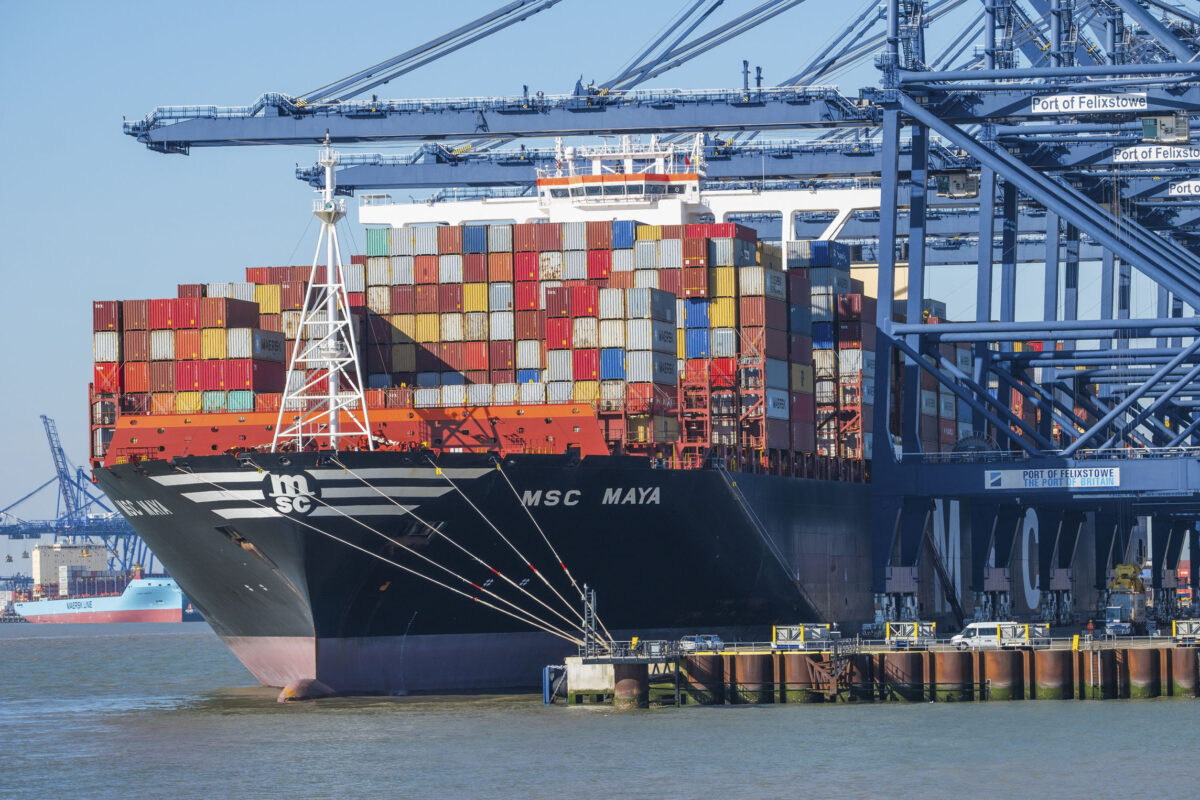
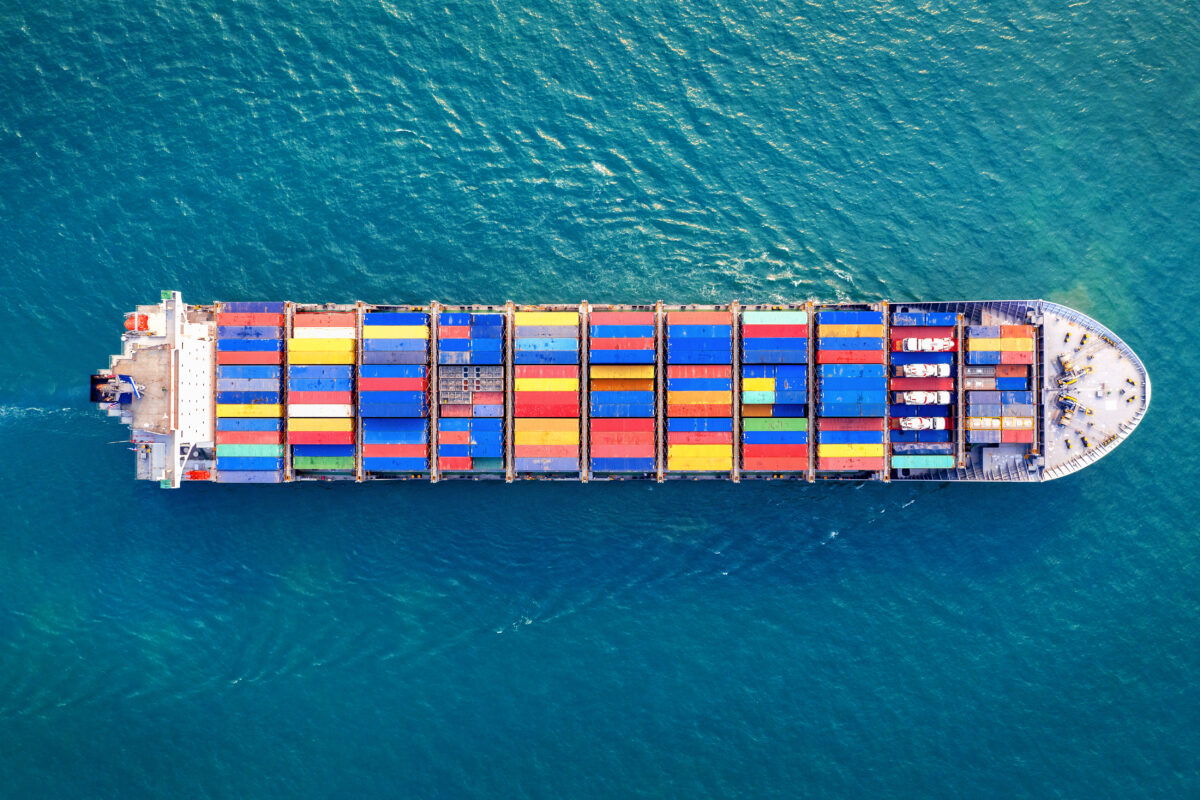
Ocean freight refers to the transportation of goods by sea using cargo ships. It is the most common mode of international transport, ideal for large-volume, heavy, or non-urgent shipments. Although slower than air freight, sea freight offers significant cost advantages and is suitable for long-distance global trade. It enables businesses to move cargo across countries and continents in a reliable and economical way.
The Importance of Ocean Freight in Global Trade
Ocean freight plays a fundamental role in the global supply chain. Over 90% of world trade is carried by sea. Its ability to transport large volumes at low cost makes it the backbone of international logistics. Sea freight supports industries such as e-commerce, manufacturing, automotive, electronics, and consumer goods, ensuring efficient movement of materials and finished products.
Huazong Logistics provides comprehensive sea freight solutions, supported by strong partnerships with major shipping lines and global port networks. From FCL (Full Container Load) and LCL (Less than Container Load) to door-to-door DDP/DDU services, we ensure safe, efficient, and cost-effective transportation. With intelligent tracking and strict cargo management, Huazong Logistics helps businesses reduce logistics costs while maintaining shipment reliability—making sea freight a smart and sustainable choice for global trade.
Why Choose to Ship by Sea from China?
Advantages of Ocean Freight from China
Cost-Effectiveness
Sea freight from China is one of the most economical shipping solutions for global trade. While transit time is longer compared to air freight, ocean freight is far more cost-effective, especially for bulk cargo, heavy goods, or non-urgent shipments. For businesses importing large quantities, sea freight significantly reduces logistics costs, providing a higher return on investment. FCL (Full Container Load) and LCL (Less than Container Load) options offer flexible pricing to suit different shipping needs.
High Capacity for Large Shipments
Ocean freight is ideal for massive and heavy shipments, far exceeding the capacity of air freight. Cargo ships can transport thousands of tons at once, making sea freight the preferred solution for industries such as furniture, machinery, automotive parts, construction materials, and bulk consumer goods. With stable schedules and containerized shipping, sea freight ensures safe and efficient transportation at a large scale.
Accessibility of Major Ports
China has some of the most advanced and busiest ports in the world, including:
Shanghai Port – the world’s busiest container port
Shenzhen Yantian & Shekou Ports – key hubs for electronics and manufacturing exports
Ningbo-Zhoushan Port – major port for bulk cargo and container shipping
Qingdao & Guangzhou Ports – strong regional export centers
These ports are equipped with modern logistics facilities, digital management systems, and extensive global shipping routes, ensuring efficient cargo handling and reduced delays. Their strategic locations make China a logistics powerhouse for global sea freight.
China’s Role in Global Ocean Freight Trade
Major Export Items and Ocean Freight Demand
China is a global manufacturing leader, exporting a wide range of products via sea freight — including electronics, machinery, textiles, home appliances, automotive components, and furniture. With over $3 trillion in exports annually, ocean freight plays a critical role in supporting China’s global trade, ensuring cost-effective transportation for high-volume shipments.
Major Ports and Their Strategic Importance in Sea Freight
China’s major ports—such as Shanghai, Shenzhen, Ningbo-Zhoushan, Guangzhou, and Qingdao—are essential hubs in the global shipping network. They process millions of TEUs (Twenty-foot Equivalent Units) every year, supporting fast customs clearance and global trade connections. The strategic positioning of these ports, combined with advanced container handling systems and strong shipping line partnerships, enables businesses to ship worldwide efficiently, reliably, and at competitive costs.
Sea Freight Process from China
Step-by-Step Guide
1. Booking a Shipment
Booking is the first step in the sea freight process. Choose a reliable freight forwarder by comparing prices, shipping routes, and services. Provide accurate cargo details, including type of goods, volume, weight, container type, and destination port.
Sea freight pricing is usually based on container type (20GP / 40GP / 40HQ) and volume, so accurate information is essential for an efficient booking process.
With the continuous growth of global trade, China’s sea freight exports reached over USD 3 trillion in 2022, highlighting the importance of efficient booking to meet demand.
2. Packaging and Labeling Requirements
Proper packaging and labeling are crucial for safety and compliance. Since sea freight involves longer transit times, cargo must be protected with moisture-proof, shock-resistant, and pressure-resistant packaging, such as pallets, wooden crates, or reinforced cartons.
Each package must include:
Destination & consignee information
Number of cartons/pieces
Product name
Handling instructions (Fragile, Keep Dry, Hazardous, etc.)
Industry data shows that compliant packaging and labeling can reduce delays and cargo damage by over 20%.
3. Customs Clearance Procedures
Customs clearance is a critical part of sea freight. The following documents are typically required:
Commercial Invoice
Packing List
Bill of Lading (B/L)
Certificate of Origin (if required)
Incorrect or missing documents may result in clearance delays or extra storage and demurrage fees. Working with an experienced freight forwarder helps ensure smooth export and import customs procedures.
4. Loading and Transportation
After customs clearance, the cargo is loaded into containers and transported to the port, where it is shipped via cargo vessels. Depending on the shipment volume, loading methods include:
FCL – Full Container Load
LCL – Less than Container Load
Major Chinese ports such as Shanghai, Ningbo-Zhoushan, Shenzhen Yantian, and Qingdao handle tens of millions of TEUs (containers) each year. Efficient loading practices are essential to avoid delays and high port charges.
Transit times by sea typically range from 7 to 45 days, depending on the destination and route.
5. Delivery and Unloading at Destination
Once the vessel arrives at the destination port, the cargo is unloaded and goes through import customs clearance, similar to the departure process.
After clearance, the freight forwarder arranges trucking, rail, or multimodal transport to the final delivery location. Sea freight often involves bulk or non-urgent goods, but any delay may still affect the supply chain, so accurate documentation and smooth coordination are essential.
Types of Sea Freight Services
1. FCL (Full Container Load)
Benefits & Applications:
FCL means an entire container is used by one shipper. It is suitable for large or high-value shipments.
Advantages:
Lower cost per unit
Higher security
Flexible scheduling
Example: Furniture, machinery, or auto parts exporters often choose FCL to ensure efficiency and protection.
2. LCL (Less than Container Load)
Benefits & Applications:
LCL is ideal for smaller shipments that do not fill a full container. Multiple shipments are consolidated into one container.
Advantages:
Lower cost
Suitable for SMEs and small batch shipments
Flexible volumes
Example: Apparel, accessories, or small electronics exporters benefit from LCL to reduce shipping costs.
3. RORO (Roll-on/Roll-off)
Benefits & Applications:
RORO shipping is used for vehicles, heavy machinery, or oversized cargo. Goods are driven or rolled directly onto the ship — no cranes required.
Suitable for:
Cars and trucks
Engineering machinery
Project cargo
This method simplifies loading and is widely used for exports to Belt and Road Initiative countries.
4. Charter Services
Companies can charter an entire vessel for one-time large shipments or project cargo.
Advantages:
Dedicated sailing routes
Flexible schedules
Large capacity
Example: Engineering and construction companies use vessel charters for major infrastructure projects.
5. Specialized Freight
Sea freight also includes services for special cargo types:
Refrigerated containers (reefer) – for seafood, fruits, pharmaceuticals
Dangerous goods containers – for chemicals, batteries, etc.
Open Top or Flat Rack containers – for oversized or heavy cargo
Sea Freight Service Overview
Sea Freight Shipping Costs from China
Breakdown of Costs
Shipping Rates
Sea freight rates depend on container type (FCL or LCL), cargo volume, weight, and shipping route. For example, shipping a 20ft container from Shanghai to Los Angeles typically costs between $2,000 to $4,000, depending on market conditions and the season.
Customs Duties and Taxes
Customs duties and taxes are charged by the destination country based on the category and declared value of goods. For instance, importing furniture or machinery into the U.S. may incur duties ranging from 5% to 15% of the shipment value. Destination ports may also charge port handling fees or security fees.
Insurance
Insurance for sea freight is essential due to longer transit times and potential risks during ocean transportation. Insurance usually costs 0.5% to 1% of the cargo value and protects against loss, damage, or delays. High-value or fragile goods should always be insured for risk mitigation throughout the shipping process.
Handling and Logistics Fees
Handling and logistics fees include port charges, container loading/unloading, documentation fees, and inland transportation. These charges can range from $200 to $500 per shipment, depending on the complexity, port regulations, and cargo type.
Factors Influencing Sea Freight Costs
Cargo Volume & Weight
Sea freight pricing is heavily influenced by cargo volume. Large-volume shipments (especially FCL) are far more cost-effective compared to air freight. For LCL, pricing is based on CBM (cubic meters) — larger cargo means higher cost.
Destination Port Fees
Different ports charge different fees for customs clearance, terminal handling, warehousing, and delivery to the final destination. High-traffic ports such as Los Angeles, Long Beach, or Hamburg may have higher fees compared to smaller ports.
Seasonal Variations
Sea freight costs may rise by 20%–40% during peak seasons such as Christmas, Black Friday, and Chinese New Year, due to increased demand and limited space on vessels. Planning shipments in advance helps avoid peak-season surcharges.
Cost-Saving Tips for Sea Freight
Choosing FCL Over LCL When Possible
Shipping with Full Container Load (FCL) provides better value for medium to large shipments. When cargo exceeds around 15 CBM, FCL often becomes more cost-efficient than LCL.
Consolidating Shipments
Combining shipments from multiple suppliers into one container can significantly reduce per-unit shipping costs. Consolidation is especially useful for SMEs or e-commerce sellers.
Selecting the Right Incoterm
Incoterms such as FOB (Free on Board) or EXW (Ex Works) clearly define cost responsibilities between buyer and seller. Choosing the right Incoterm helps avoid unexpected fees and improves cost control.
Negotiating with Freight Forwarders
Working with multiple freight forwarders allows comparison of rates and services. Long-term cooperation or regular shipments may secure 10%–25% discounts, especially for major routes such as China–US or China–Europe.
Overview of Sea Freight Costs
| COST COMPONENT | DETAILS |
|---|---|
| Shipping Rates | $2,000 – $4,000 for a 20ft container from China to the US |
| Customs Duties and Taxes | 5%–15% of cargo value, depending on product category |
| Insurance | 0.5% – 1% of cargo value |
| Handling & Logistics Fees | $200 – $500 per shipment |
| Factors Influencing Costs | Volume, port fees, seasonality, shipment size |
| Cost-Saving Tips | FCL/LCL choice, consolidation, Incoterms, rate negotiation |
Transit Times for Sea Freight from China
Factors Affecting Transit Times
Distance to Destination
The distance between origin and destination ports is one of the main factors affecting transit time. For example, shipping from China to the U.S. West Coast takes less time compared to shipping to Europe or South America.
Shipping Route
Direct routes are faster than those involving transshipment. Containers passing through busy transshipment hubs (e.g., Singapore, Busan) may experience additional delays.
Vessel Type & Carrier Schedule
Different shipping lines and vessel sizes affect transport speed. Larger vessels with frequent sailings provide more stable transit times compared to smaller or regional carriers.
Port Congestion & Customs Clearance
Congestion at major ports like Shanghai, Los Angeles, or Rotterdam may cause delays in unloading and customs processing. Efficient documentation and pre-clearance can help reduce delays.
Average Sea Freight Transit Times from China
| ROUTE | ESTIMATED TRANSIT TIME |
|---|---|
| China → U.S. West Coast (LA / Long Beach) | 12–18 days |
| China → U.S. East Coast (New York / Savannah) | 25–35 days |
| China → Europe (Rotterdam / Hamburg / London) | 25–40 days |
| China → Middle East (Dubai / Jebel Ali) | 20–30 days |
| China → Africa (Lagos / Durban) | 30–45 days |
Container Types and Sizes for Ocean Freight
Standard Containers
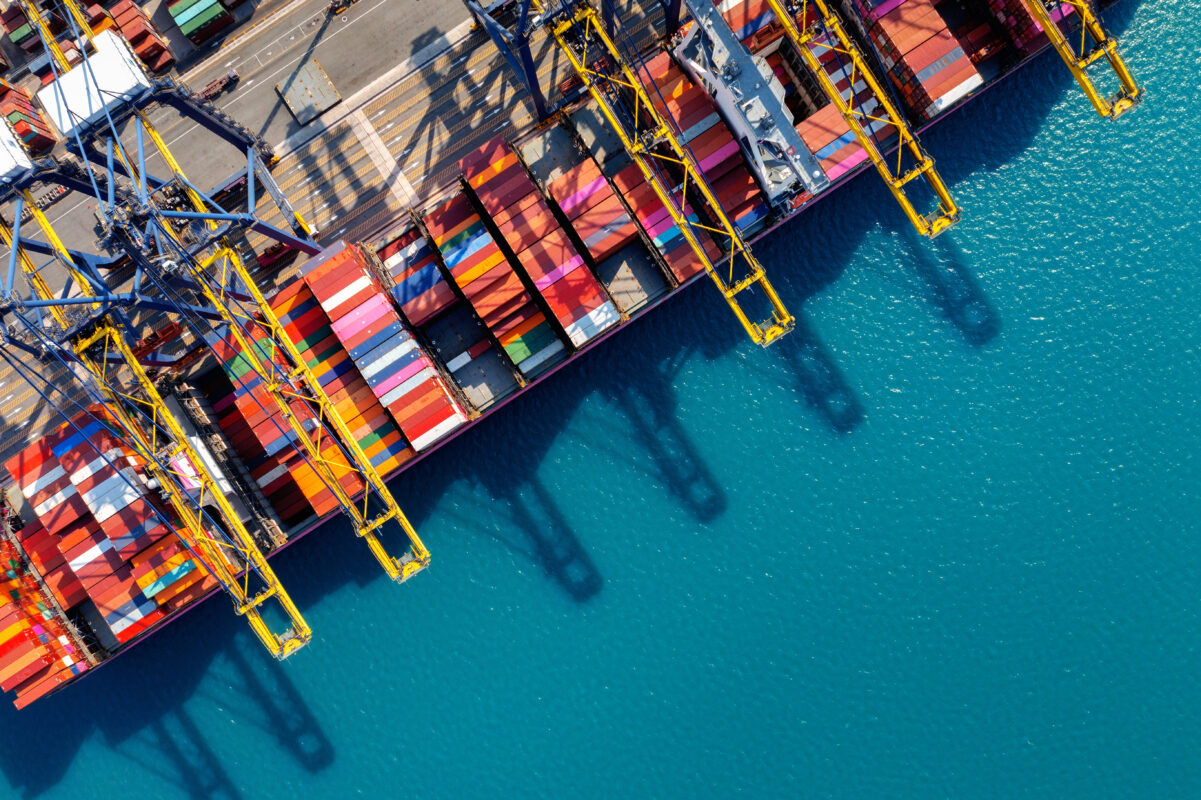
The most common container sizes used in ocean freight are 20ft and 40ft standard containers. They are suitable for general cargo and widely accepted in global shipping.
| Container Type | Internal Capacity | Typical Use |
|---|---|---|
| 20GP (20ft Standard) | ~33 m³ | General cargo, raw materials |
| 40GP (40ft Standard) | ~67 m³ | Bulk goods, packed shipments |
| 40HQ (40ft High Cube) | ~76 m³ | Taller or lightweight cargo |
These containers ensure high loading efficiency and cargo protection during long-distance sea transportation.
Specialized Containers
Reefer Container (Refrigerated)
Equipped with temperature-control systems
Used for food, pharmaceuticals, vaccines, and perishables
Sizes: 20ft / 40ft
Flat Rack & Open Top
Designed for oversized cargo such as machinery, vehicles, or steel structures
Suitable for extra-long, extra-wide, or extra-high loads
Tank Container
Stainless steel pressurized tanks
Used to transport liquid chemicals, oils, or bulk liquids
Pallets & Cartons for Ocean Freight
Standard Pallet Sizes
| Region | Size |
|---|---|
| USA | 48 × 40 inches |
| Europe | 1200 × 1000 mm |
Pallets are commonly made of wood, plastic, or metal. Plastic pallets are ideal for industries with strict hygiene requirements (e.g., food and pharmaceuticals).
Packaging Guidelines
To ensure safe transportation over long distances:
Must be compression-resistant, moisture-proof, and shockproof
Securely fit the pallet without cargo shifting
Use bubble wrap, foam, corner protectors for extra protection
Dangerous or temperature-sensitive goods must comply with IMDG / HACCP packaging standards to avoid customs delays.
Securing & Labeling
Fix goods with straps, stretch film, and edge protectors
Each box should clearly display:
Destination
Transport mode (FCL / LCL)
Cargo description
Barcode / tracking number
Proper labeling can reduce shipment errors by up to 30%, improving clearance efficiency.
Overview of Containers, Pallets & Cartons
| Unit | Description | Suitable Cargo |
|---|---|---|
| Standard Container | 20GP / 40GP / 40HQ | General export shipments |
| Reefer Container | Temperature-controlled | Fresh food, pharmaceuticals |
| Flat Rack / Open Top | Allows oversized cargo | Machinery, vehicles, steel |
| Tank Container | Liquid pressurized tanks | Chemical liquids |
| Pallet + Cartons | Suitable for LCL shipping | Electronics, small goods |
China Sea Transport Incoterms
What Are Incoterms?
Incoterms, issued by the International Chamber of Commerce (ICC), define the responsibilities, risks, and costs between buyer and seller during international shipping. They are essential for ocean freight operations.
Common Ocean Freight Incoterms
EXW – Ex Works
Seller only prepares the goods at their facility
Buyer handles all transportation, export & import procedures
Suitable when buyer has strong logistics capability
FOB – Free On Board ✔ Most common for China exports
Seller handles export clearance and loads cargo on the vessel
Buyer takes responsibility from the moment cargo is on board
Widely used for transparency and cost control
CFR – Cost and Freight
Seller pays freight to the destination port
Buyer handles customs, insurance, and local logistics
CIF – Cost, Insurance & Freight
Seller covers freight + basic insurance to the destination port
Ideal for high-value or fragile cargo
DAP – Delivered at Place
Seller delivers to buyer’s warehouse (excluding import duty & VAT)
Buyer is responsible for customs clearance and taxes
Suitable for buyers with little logistics experience
Incoterms Summary
| Term | Seller Responsibility | Buyer Responsibility | Risk Transfer | Best For |
|---|---|---|---|---|
| EXW | Provide goods only | Full transportation & clearance | At seller’s warehouse | Experienced buyers |
| FOB | Export & loading to vessel | Sea freight & import clearance | On board vessel | Most common |
| CFR | Freight to destination port | Insurance & customs | On board vessel | Standard ocean freight |
| CIF | Freight + insurance | Import clearance | On board vessel | High-value cargo |
| DAP | Delivery to destination | Customs & taxes | At final location | Inexperienced buyers |
How to Choose a Reliable Sea Freight Forwarder
1. Experience & Reputation
Knowledge of major trade routes & port regulations
Proven record in China–Europe / China–US shipping
Real customer feedback and reliability
2. Global Network
Partnerships with major carriers (COSCO, Maersk, MSC)
Ability to secure space during peak seasons
International agent network
3. Customer Service
Check if they provide:
Instant rate quotes
Vessel schedule tracking
Cargo tracking system
One-on-one customer support
Customs clearance guidance
Top Sea Freight Forwarders in China
| Company | Advantages |
|---|---|
| Huazong Logistics | Largest integrated logistics provider |
| COSCO Logistics | Reliable carrier-owned forwarder |
| Kuehne + Nagel | Strong global network |
| DHL Global Forwarding | Full service logistics |
| Huazong Logistics Shipping ✔ | Transparent pricing, SME-friendly |
Recommended: Huazong Logistics Shipping
They cover major Chinese ports (Shanghai, Shenzhen, Guangzhou, Ningbo) and offer FCL/LCL, warehousing, pickup, and customs clearance—ideal for small and medium businesses.
Documentation & Compliance
| Document | Purpose |
|---|---|
| Bill of Lading (B/L) | Legal proof of cargo ownership |
| Commercial Invoice | Customs clearance & tax calculation |
| Packing List | Cargo quantity & weight verification |
| Certificate of Origin | Used for tariff reduction |
| MSDS | Required for hazardous goods |
You must comply with:
Export/import regulations
Port quarantine requirements
IMDG rules for dangerous goods
International sanction lists
Conclusion
Choosing the right ocean freight solution is key to:
✔ Reducing logistics cost
✔ Ensuring safe, timely delivery
✔ Improving supply chain efficiency
If you need help with:
Website/blog English version
Dual-language version (EN+CN)
Quote/Inquiry templates
Container selection based on your product
I can customize it for you anytime. 🚢📦 Let’s make your logistics competitive globally!
Shipping Routes and Transit Times
Major Ocean Shipping Routes from China
Asia to North America
The Asia–North America sea route is one of the busiest trade corridors in the world. Major Chinese ports such as Shanghai, Ningbo, and Shenzhen (Yantian) connect to key U.S. and Canadian ports, including Los Angeles (LAX), Long Beach, Vancouver, and New York.
This route typically transports electronics, machinery, furniture, clothing, and consumer goods, often using 40ft and 40HQ containers. It is serviced by leading ocean carriers such as Maersk, MSC, COSCO, Hapag-Lloyd, and ONE.
Asia to Europe
This route links major Chinese ports like Qingdao, Shanghai, and Shenzhen to European hubs including Rotterdam, Hamburg, Antwerp, and Felixstowe.
It’s heavily used for industrial products, textiles, home appliances, auto parts, and raw materials, with weekly sailings operated by CMA CGM, HMM, Maersk, MSC, and more.
Asia to Africa & Middle East
China exports large volumes of medical supplies, construction materials, consumer goods, and machinery to Africa and the Middle East.
Key destination ports include:
Dubai (Jebel Ali Port) – UAE
Durban – South Africa
Mombasa – Kenya
Jeddah – Saudi Arabia
Shanghai, Ningbo, and Guangzhou ports often serve as main departure points, with increasing demand driven by growing trade relationships.
Estimated Transit Times
Factors Affecting Sea Transit Times
Several factors influence the duration of ocean freight:
Distance — Longer intercontinental routes require more sailing time.
Transshipment — Non-direct routes with port transfers increase transit time.
Port congestion — Busy ports may cause delays in loading/unloading.
Customs clearance — Delays can occur with incomplete documentation.
Weather conditions — Storms or typhoons may affect departure schedules.
Average Transit Times for Major Sea Routes
| Route | Average Transit Time | Key Factors |
|---|---|---|
| Asia to North America | 12 – 30 days | Peak season congestion, transshipment |
| Asia to Europe | 20 – 40 days | Suez Canal passage, port handling time |
| Asia to Africa & Middle East | 18 – 45 days | Fewer direct sailings, port capacity |
Detailed Transit Estimates
Asia to U.S. West Coast (e.g., Los Angeles): 12–16 days
Asia to U.S. East Coast via Panama Canal: 22–28 days
Asia to Europe (via Suez Canal): 25–35 days
Asia to Middle East (e.g., Dubai): 18–22 days
Asia to Africa (e.g., Durban): 30–45 days
Challenges and Solutions in Sea Freight from China
Common Challenges
Port Congestion & Delays
Delays often occur due to container shortages, labor strikes, or terminal congestion, especially during peak seasons such as Chinese New Year and Q4 holiday periods.
Container Shortages
High demand during busy months may lead to difficulty securing empty containers, especially 40HQ units which are the most requested.
Customs & Documentation Issues
Incorrect documentation, missing HS codes, or unclear cargo descriptions can result in clearance delays and even hold-up in port.
Effective Solutions
Book in Advance
Reserve containers and space 2–3 weeks in advance during busy seasons. Working with a reliable freight forwarder ensures priority access.
Diversify Ports & Carriers
When major ports like Shanghai and Shenzhen are congested, use alternative ports such as Xiamen, Qingdao, or Tianjin to avoid delays.
Stay Updated with Marine News
Monitor industry sources (e.g., Lloyd’s List, Container xChange) to stay informed about port strikes, freight rate changes, and new customs regulations.
Overview of Challenges and Solutions
| Challenges | Solutions |
|---|---|
| Port congestion | Book early, use alternative ports |
| Container shortage | Reserve containers in advance |
| Customs delays | Prepare documents carefully |
| Peak season rate increase | Choose off-peak shipping dates |
Frequently Asked Questions
At What Volume Is Sea Freight Financially Worth It?
Sea freight is cost-effective for shipments above 2 CBM or 200 kg. Below that, courier services or air freight might be more suitable.
Should I Choose LCL or FCL?
| Option | Best For |
|---|---|
| LCL (Less than Container Load) | Small shipments under 15 CBM |
| FCL (Full Container Load) | Larger or urgent shipments |
How to Choose a Port of Departure?
Choose based on:
Supplier location – select the nearest port to reduce trucking cost.
Carrier frequency – major ports such as Shanghai & Shenzhen have more sailings and better rates.
How Are Ocean Freight Costs Calculated?
Charges are usually based on:
FCL → price per container (20GP / 40GP / 40HQ)
LCL → per CBM or per ton (whichever is higher)
Additional fees: DOC fee, THC, ISPS, AMS, customs brokerage
How to Choose a Reliable Sea Freight Forwarder?
Check if they:
✔ Possess FMC / NVOCC licenses
✔ Have partnerships with major carriers
✔ Offer real-time tracking & customs support
✔ Provide transparent pricing
👉 Huazong Logistics Shipping is highly recommended for small and mid-size companies needing FCL/LCL, warehousing, pickup, and customs clearance.
How to Avoid Freight Scams?
⚠ Don’t choose a forwarder only because of low price.
Hidden fees or lack of experience may lead to:
Cargo being stuck at port
Unexpected costs
Delivery delays
✔ Instead, choose companies with proven track records and professional documentation support.